













Advancing clean energy for impact: a pathway to women’s economic empowerment
Climate change is not gender neutral. In Africa, it could push 158 million more women into poverty by 2050. Yet less than 2% of global climate finance is gender-responsive. A new report from Caribou, developed in partnership with Shell Foundation, the Gates Foundation and funded by Transforming Energy Access from the UK Foreign and Commonwealth Development Office (FCDO), shows how clean energy solutions can transform women’s economic lives – when designed with intentionality.
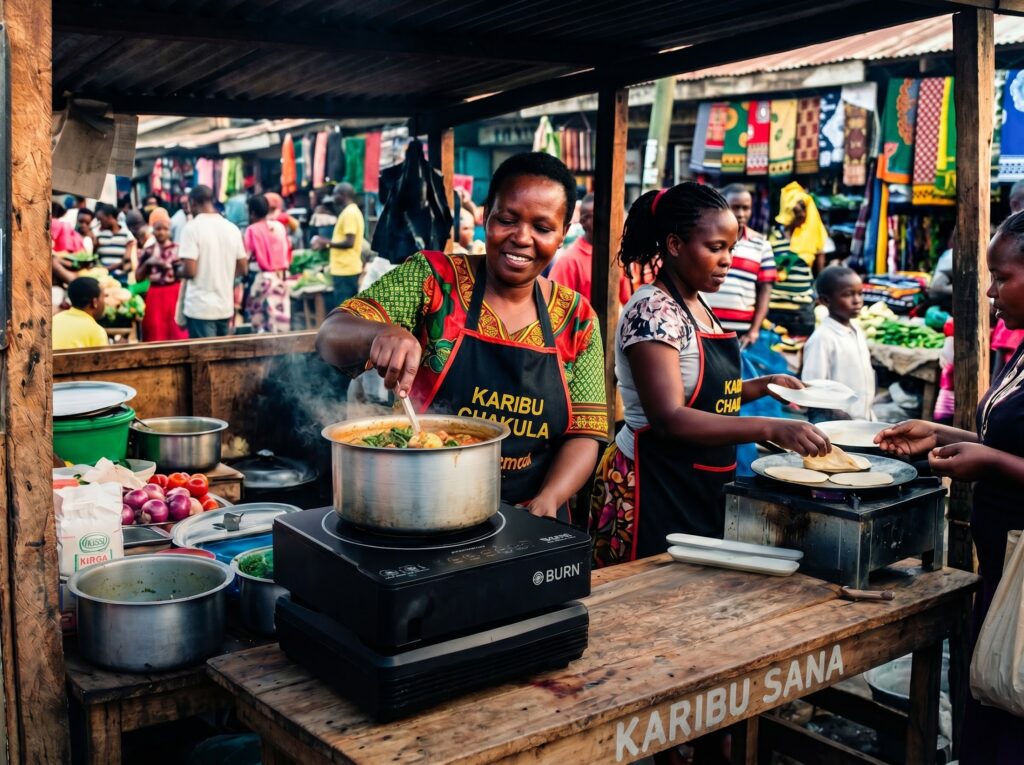
Drawing on a synthesis of more than 115 studies, 18 expert interviews and financial modelling of 15 clean energy assets across five technology categories (solar irrigation, milk chilling, cold storage, solar refrigeration for micro-enterprises and clean cooking), the report Clean Energy as a Catalyst for Women’s Economic Empowerment answers a practical question: under what conditions do clean energy investments actually improve women’s economic lives?
The analysis identifies five archetypes of women in the clean energy ecosystem – cookstove users, household energy users, farmers, entrepreneurs and value chain workers – and three pathways to empowerment: direct, indirect and through employment.
A multiplier effect on income, safety and agency
When interventions are well designed, the gains are measurable:
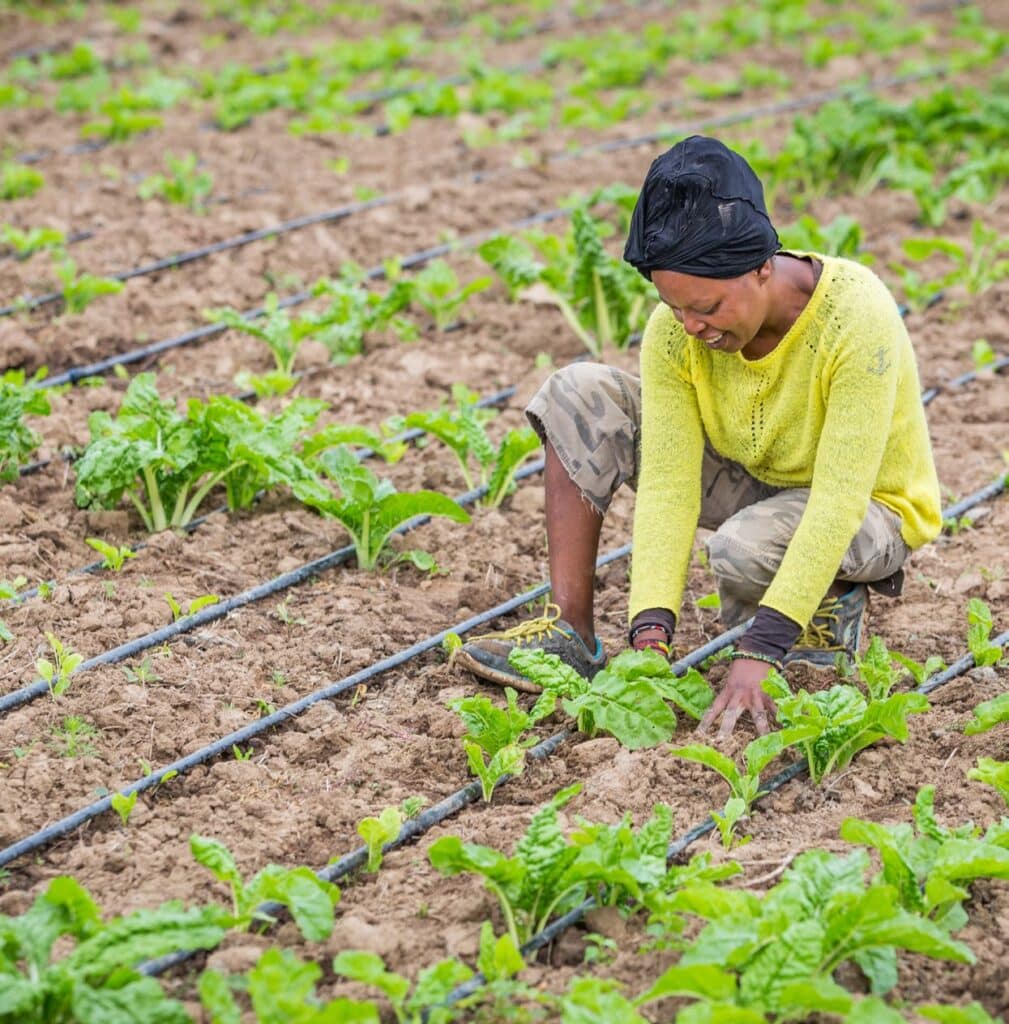
- Increased income: solar milk chillers have doubled earnings for women dairy farmers, and solar irrigation raised women farmers’ incomes by US$250 per year in Benin.
- Cost savings: solar irrigation reduces irrigation expenses by up to 91% across five sub-Saharan African countries.
- Enhanced safety: -16% in domestic violence was observed in Uganda after the introduction of clean cookstoves.
- Agency: over 90% of women report greater control over spending after the introduction of clean energy assets.
Productive-use technologies (solar irrigation, milk chillers) offer the most direct path to income uplift, while household assets work indirectly – provided women have the agency and market access to convert those gains into paid activity.
Five enabling conditions: the ARISE framework
Beyond the technology, five conditions distinguish interventions that deliver from those that fall short: Agency, Relevance, Infrastructure, Skills, Engagement (ARISE). Agency is decisive. In Senegal, women with higher intra-household bargaining power were 10-15% more likely to adopt clean fuels. Two-thirds of the solutions reviewed were bundled packages (solar pump + cold storage + training + financing), because women’s needs are interconnected. Financing remains the most documented barrier, with women-owned enterprises in sub-Saharan Africa facing an estimated US$42 billion financing gap.
The path forward
The report urges funders and investors to break down the silos between climate capital and gender-focused capital. Its key recommendations:
This starts with recognizing that women are not a single market, and requires targeted research to inform investment strategies. Solutions should be designed holistically, combining clean energy with complementary services such as financing, training, and market access to ensure sustainable impact.
Investments must also be grounded in women’s realities, particularly in how value and payback are defined. Frameworks like ARISE can serve as a baseline to guide gender- responsive design, while impact measurement should go beyond income to include health, safety, time, and agency.
Finally, strengthening women’s participation across the clean energy value chain is essential to drive both inclusion and sector growth.
At its core, clean energy and women’s economic empowerment are mutually reinforcing. Investors who act at this intersection with clarity and discipline can unlock significant and lasting impact.
Latest news and updates

Turning shocks into tailwinds: unlocking commercial capital for climate solutions in emerging markets
15th July 2026