














Elite founders and invisible markets: Lessons from our inaugural eco pilot fund journey in African eco-dynamism
Shell Foundation is pleased to share insights from EchoVC’s inaugural Eco Pilot Fund, launched in partnership with UKaid via our Transforming Energy Access programme.

The Fund set out with a simple but ambitious goal: back elite African founders tackling climate and climate-adjacent challenges with bold, early-stage solutions that lift incomes cutting emissions and transform underserved markets – concentrating on SF’s three core focus groups: smallholder farmers, urban transporters and micro-entrepreneurs.
By deploying $2.75m across 15 pioneering companies, the initiative has highlighted both the scale of opportunity and the structural barriers in Africa’s climate tech sectors, including four persistent gaps:
- Pipeline Gap: Founders face long R&D cycles and policy hurdles, especially women-led and science-based teams.
- Funding Gap: Early-stage capital is often too small, rigid, or delayed.
- Gender Gap: Male-only teams receive 85% of funding, while women-only teams less than 1%.
- Market Paradox Gap: Service innovation outpaces infrastructure, creating iceberg-like markets—unseen but full of potential.
Shell Foundation’s investment helped leverage 1-3 times additional capital into these portfolio companies, enabling them to grow faster and reach more customers.
EchoVC shares in this blog how they worked to overcome these gaps, including achieving a 50% female (co)founded portfolio and focusing on catalytic capital to help transition pilots to scalable businesses, particularly for women-led, science heavy ventures.
Latest news and updates
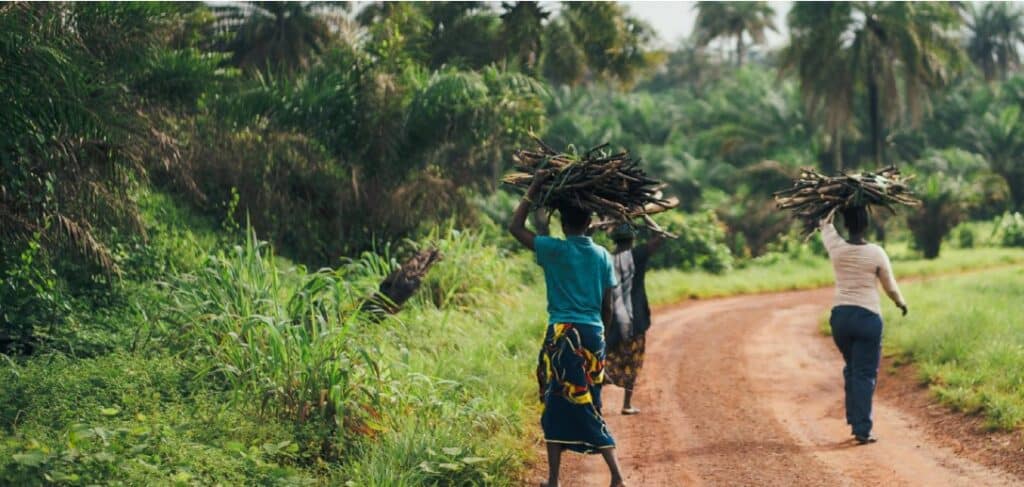
What gender-responsive financing can unlock for women entrepreneurs
A Gender Results-Based Financing pilot shows how targeted incentives can unlock income growth, resilience, and opportunity for women entrepreneurs.
08th March 2026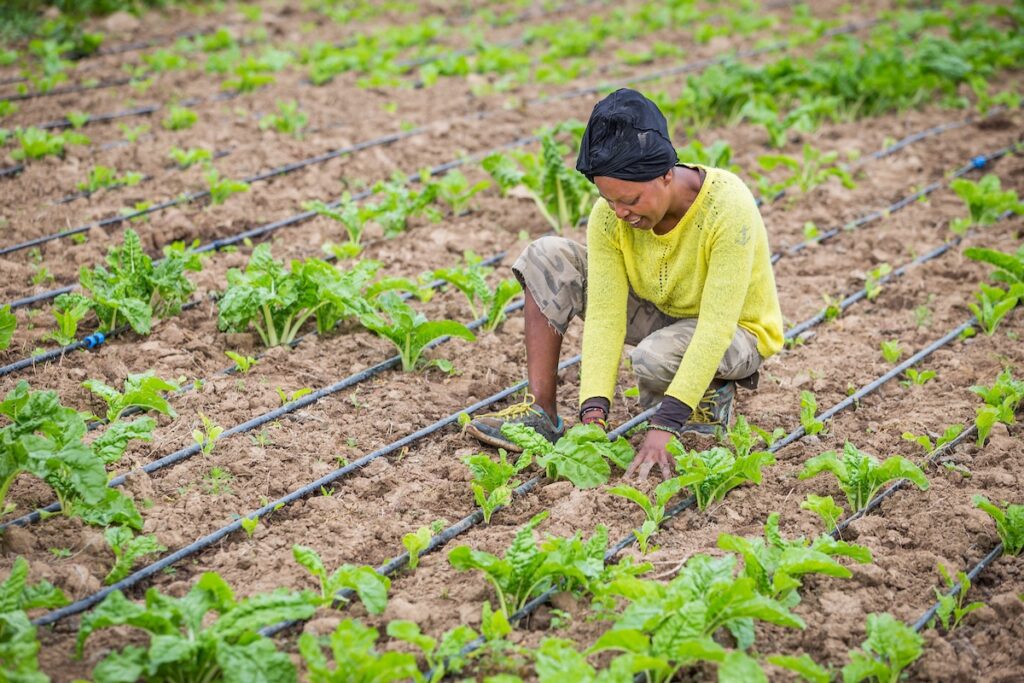
How solar irrigation is transforming the lives of smallholder farmers in Kenya – lessons and the road ahead
Solar-powered irrigation is helping smallholder farmers in Kenya build resilience to climate shocks, improve nutrition, and reduce post-harvest losses.
28th January 2026