














Fresh Effort to Bring Clean Cooking to Food Vendors in Kenya and Uganda


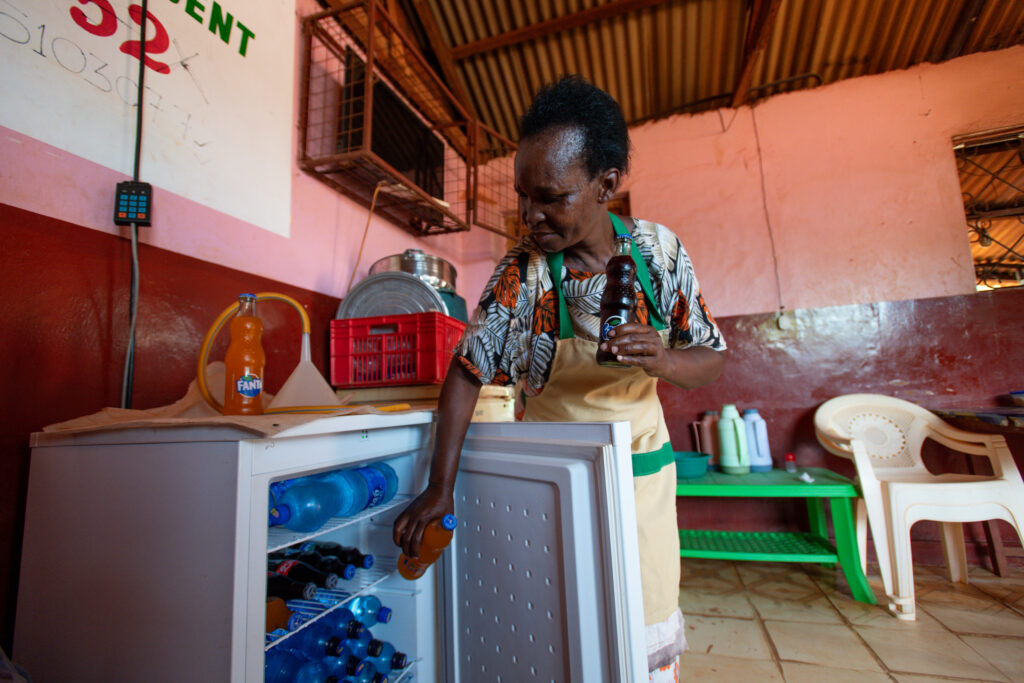
Food businesses are one of the largest microenterprise groups in Africa. Clean cooking will boost their productivity and incomes.
Nairobi, 29 October, 2026 – CLASP, the leading global authority on efficient appliances’ role in fighting climate change and improving people’s lives, today announced the launch of Cooking Livelihoods and Income for Microenterprises (CLiME), a new program to bring clean cooking solutions to food businesses in Kenya and Uganda.
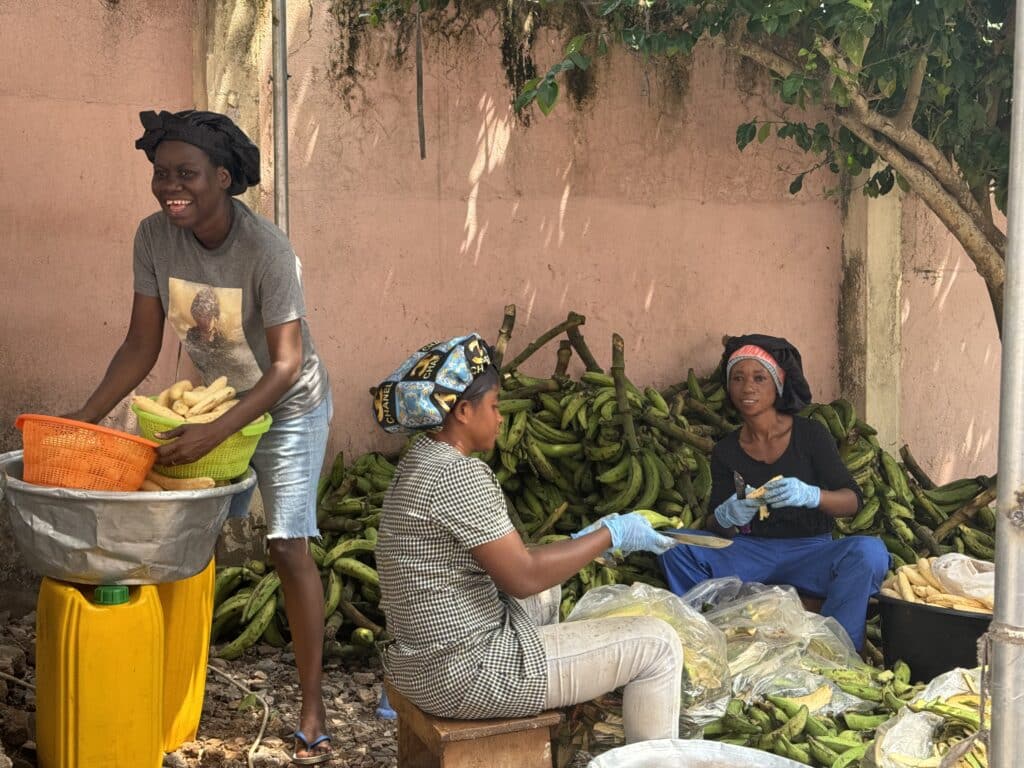
Food vendors and businesses, many of which are run by women, are one of the largest microenterprise groups in Africa. Sub-Saharan Africa has an estimated 44 million micro, small, and medium enterprises (MSMEs), and most of them are micro.
In Kenya’s capital, Nairobi, food businesses employ about 70,000 people and cook for over a third of the city’s population daily. Yet behind this scale is a major productivity challenge, and a major opportunity. A 2024 analysis identifies food manufacturing and services, alongside trade, transportation, and others, as the sectors with the highest potential for productivity gains.
At the same time, most food businesses rely on charcoal, which leaves them increasingly vulnerable to price hikes and shortages and exposed to air pollution and heat stress. Owners want cooking that’s faster, less expensive, and more reliable.
Clean energy can deliver that. Investments targeted towards these businesses can improve their productivity, income, and health outcomes.
Building a Market Around Food Vendors
Food businesses have traditionally been overlooked in clean energy finance and policy efforts. The CLiME program takes a unique approach to building the clean cooking ecosystem, addressing supply, demand, financing, and policy simultaneously to support food businesses.
Food vendors, most of them women, are a large part of the informal economy but among the least served by clean energy investment. CLiME is building the supply chains, financing tools, and policy support that make clean cooking a sound business for them. Clean cooking that pays means more green jobs, a growing low-emission market that can sustain itself, and a blueprint for bringing the informal sector into low-emission development pathways.
The program is designed to strengthen the ecosystem by connecting financiers, distributors, and technical partners so they reinforce each other. CLIME is funded by Shell Foundation and the Transforming Energy Access (TEA) platform. TEA is funded by the UK Government’s Foreign, Commonwealth & Development Office (FCDO) through its Global Research and Technology Development (GRTD) portfolio and is part of the UK’s Ayrton Fund. The programme is also aligned with the UK government’s Modern Energy Cooking Services (MECS) programme.
Food vendors are exactly the kind of high-potential businesses we want to support, but they remain locked out of the clean cooking market. This program gives us a great opportunity to prove that clean cooking for small businesses is worth investing in at scale.
The CLiME program unlocks a triple win for people, planet, and prosperity: electric cooking will improve income and health outcomes, and lower costs for food vendors, while cutting emissions tied to biomass fuel. At the same time, the program aims to expand clean energy investment in an overlooked sector.
CLASP is the leading global authority on efficient appliances’ role in fighting climate change and improving people’s lives. With 25 years of expertise and offices on four continents, CLASP collaborates with policymakers, industry leaders, and other experts to deliver clear pathways to a more sustainable world for people and the planet. CLASP is a core partner of the Modern Energy Cooking Services (MECS) programme alongside Loughborough University and ESMAP. Funded by UK aid via the Foreign Commonwealth and Development Office, MECS aims to accelerate transition from biomass to genuinely ‘clean’ cooking.
Latest news and updates
Shell Foundation and the UK Government anchor Lendable Transportation and Energy Fund to mobilise private capital for climate and gender impact
30th September 2026