












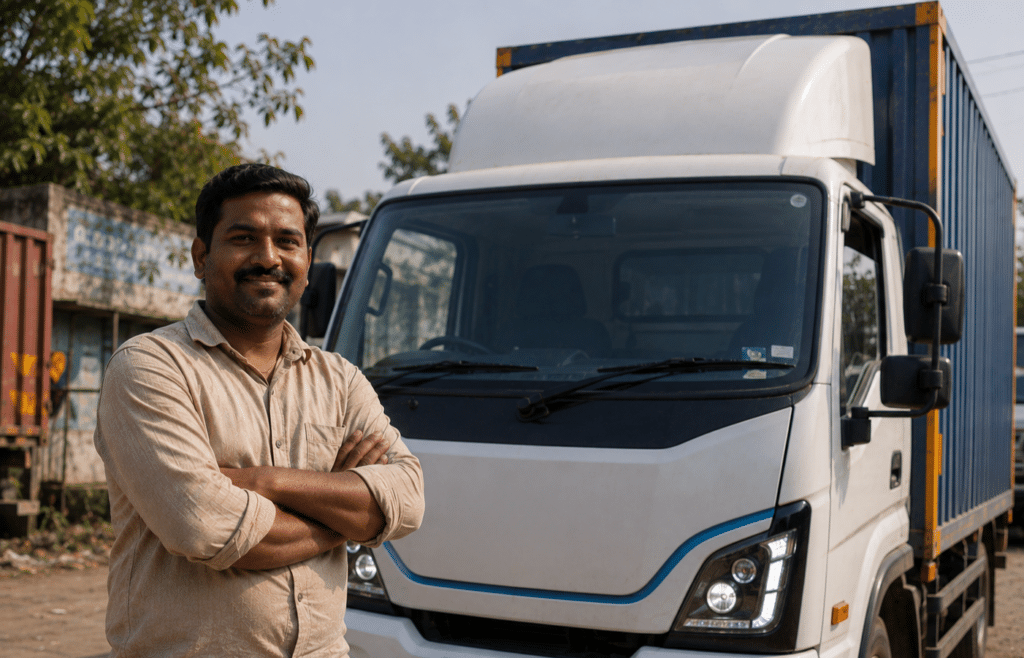
Smart Freight Centre and Shell Foundation Launch Report on Inclusive EV Financing for India’s Freight Drivers


Study of 1,500+ freight drivers across 11 states highlights pathways to improve livelihoods while accelerating freight decarbonization
New Delhi, India – 9th Jul, 2026 – Smart Freight Centre (SFC) and Shell Foundation today launched Driving Income Uplift: Designing Inclusive EV Financing for India’s Freight Drivers, a new report on how the shift to electric freight is affecting driver incomes and livelihoods across India. Based on a study of more than 1,500 drivers across 11 states, the report takes a close look at what it will take for the benefits of electric mobility to reach the people who keep freight moving.
India’s freight sector is undergoing rapid transformation, with electric vehicles increasingly entering an ecosystem long characterized by income volatility, limited access to formal finance, and rising operating costs for drivers. The report finds that EVs can help reduce expenses and bring more stability to driver’s incomes, but only when financing is affordable and demand is predictable. The transition, it says, works best when vehicle technology is matched with practical operating models.
Launching the report:
Behind every freight vehicle is a person working to support a family, build financial security, and create a better future. As India accelerates freight electrification, we have an opportunity to ensure that the benefits of the transition reach those who keep supply chains moving every day. This report demonstrates that with the right financing and operating models, EV adoption can support both decarbonization and improved livelihood outcomes, creating a freight sector that is cleaner, more resilient, and more inclusive.
The report points to several financing approaches that could help widen access to EVs, including platform-backed leasing, lease-to-own arrangements, and anchor-linked financing. It also makes clear that scaling adoption will require coordination across financial institutions, logistics companies, mobility platforms, policymakers, and development partners.
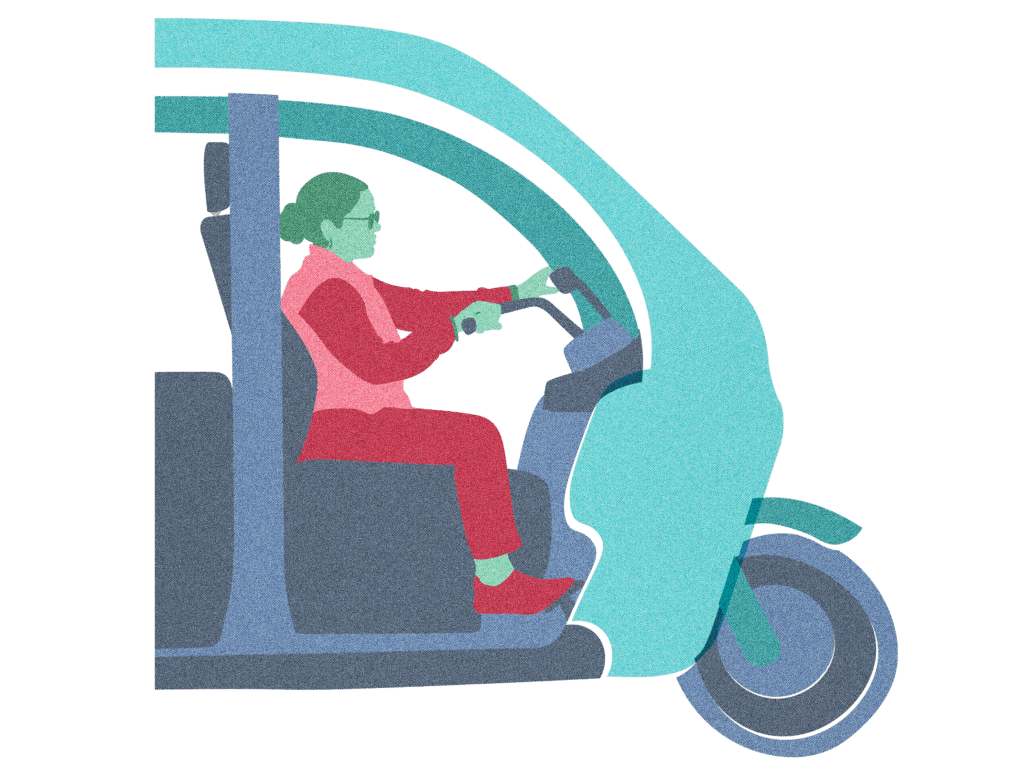
The report also looks beyond income. It finds that electric freight and platform-based work are creating new entry points for women workforce in a sector where they have traditionally been underrepresented.
Commenting on the findings:
This report shows that the transition to electric freight is not just about new technology, it is about improving the lives of the people who keep supply chains moving. The analysis of over 1,500 drivers across India demonstrates that electric vehicles can increase incomes and reduce the volatility that so many drivers face today but only when supported by the right financing and operating models. To scale this opportunity, we need to focus on designing systems that work for drivers by linking affordable finance with predictable demand and creating pathways to asset ownership. By putting drivers at the centre of the transition, we can build a freight system that is not only lower carbon, but also more inclusive and resilient.
As the market moves from pilots to wider deployment, the report says the focus should remain on drivers themselves. The aim is not only to put more EVs on the road, but to make sure drivers benefit from the transition in a real and lasting way, while supporting India’s wider climate and development goals.
Sharing an industry perspective:
We are at an important inflection point in India’s sustainable freight journey. The findings reinforce that electrification can deliver both environmental and economic benefits when supported by innovative business models and accessible financing. The opportunity now is to move from pilots to scale and build an ecosystem that enables more drivers to participate in and benefit from the transition.
About Shell Foundation
About Smart Freight Centre
Latest news and updates
Shell Foundation and the UK Government anchor Lendable Transportation and Energy Fund to mobilise private capital for climate and gender impact
30th September 2026